Unlock More Daffodils: Understanding Propagation Methods
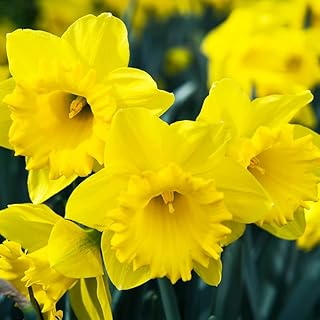
The cheerful trumpet of a daffodil is an undeniable herald of spring, brightening gardens and lifting spirits. If you, like many gardeners, find yourself wishing for even more of these delightful blooms, understanding how do daffodils propagate is key to expanding your display. While nature has its own slow methods, gardeners can significantly accelerate the process, transforming a few bulbs into a vibrant sea of yellow, white, and orange. This article delves into the various ways daffodils multiply, comparing the traditional, often painstaking method of seed propagation with the much faster and more reliable technique of dividing bulbs.
Understanding Daffodil Propagation: Why and How
Why would a gardener want to propagate daffodils? The reasons are as varied as the daffodil cultivars themselves. Perhaps you've inherited a rare, heirloom variety, like the magnificent 80-year-old 'Snow Gem' from Culpepper Garden, which is no longer available commercially and you wish to preserve its legacy. Or maybe you simply want to fill new garden beds, create stunning drifts, or share your favorite varieties with friends and family. Regardless of your motivation, knowing the optimal propagation methods empowers you to achieve your daffodil dreams.
Daffodils primarily propagate through two natural mechanisms: seeds and offsets. Seeds result in genetic variation and a long wait, while offsets are smaller bulblets that form alongside the mother bulb, maintaining the original plant's characteristics. However, human intervention through strategic bulb division can vastly outpace nature's timeline, allowing you to multiply your beloved daffodil collection much more efficiently.
The Traditional (Slow) Route: Propagating Daffodils from Seed
For the truly patient gardener or the dedicated plant breeder, propagating daffodils from seed offers a unique journey. It's often referred to as "the hard way," and for good reason. Daffodil seeds develop within a small pod that forms after the flower fades and is successfully pollinated. If you carefully cut open this pod, you'll see the tiny seeds beginning to form.
The primary characteristic of seed propagation is genetic variability. Just like human children don't look exactly like their parents, daffodil seedlings will not be identical clones of the parent plant. Each seed carries a unique genetic blueprint, meaning you might end up with new color combinations, bloom shapes, or sizes. This unpredictability is precisely why breeders use seeds to develop entirely new cultivars.
The Process:
- Collection: Allow the seed pod to ripen and turn brown on the plant, then harvest before it splits open.
- Sowing: Plant the seeds in a well-draining seed-starting mix, typically in the fall.
- Patience: This is where the challenge lies. Daffodil seedlings can take anywhere from five to seven years to grow large enough and mature enough to produce their first flower. During this time, they require diligent care, protection from pests, and consistent watering.
While an intriguing endeavor, seed propagation is not the method for a gardener looking to quickly expand an existing, beloved daffodil variety. For that, we turn to the power of bulb division.
Unlocking Abundance: The Power of Bulb Division
If your goal is to replicate your existing daffodil varieties faster and with guaranteed genetic fidelity, bulb division is your ultimate tool. This method takes advantage of the daffodil's natural tendency to produce offsets, or "daughter" bulbs, from the main "mother" bulb. Over several years, these offsets can multiply, leading to crowded clumps that produce fewer and smaller blooms. This is a clear signal that it’s time to intervene and divide.
Dividing daffodil bulbs offers several compelling benefits:
- Increased Blooms: By alleviating overcrowding, each bulb gets more space, nutrients, and resources, resulting in larger, more vigorous flowers.
- Expanded Garden: You instantly gain a multitude of new bulbs to plant in other areas of your garden, transforming bare spots into vibrant spring displays.
- Rejuvenation: Older, less productive clumps are revitalized, ensuring many more years of beautiful blooms.
- Preservation: It's the most effective way to maintain and increase specific, cherished varieties.
Nature's way of dividing is when a single bulb naturally splits into two or more distinct bulbs. These are easy to separate by hand once dug up. However, gardeners can take this a step further through a technique known as basal plate division, which allows for even more rapid multiplication. For a comprehensive guide on revitalizing your daffodil beds and ensuring prolific flowering, consider reading our article: Increase Daffodil Blooms: Essential Guide to Dividing Bulbs.
Mastering Basal Plate Division: A Step-by-Step Guide for Rapid Increase
Basal plate division is the gardener's secret weapon for quickly multiplying specific daffodil varieties. This method, while more involved than simply separating natural offsets, can yield multiple new plants from a single bulb in a much shorter timeframe than seed propagation. The key to success lies in understanding and correctly utilizing the basal plate, the flat bottom portion of the bulb from which roots and new bulblets emerge.
Here’s how to perform basal plate division:
- Timing is Everything: The ideal time to divide daffodils is after their foliage has naturally died back and turned yellow, typically in late spring or early summer. This ensures the bulb has stored maximum energy for the next growth cycle.
- Careful Excavation: Gently dig around the daffodil clump, lifting the entire group of bulbs from the soil. Try not to damage the bulbs in the process.
- Preparation: Brush off excess soil from the bulbs. You may snip off any remaining dry foliage at the top. While some prefer to peel away the outer layers of the bulb (similar to peeling garlic), it's not strictly necessary.
- Identify the Basal Plate: This is the flat, often darker, bottom part of the bulb where the roots emerge. It's absolutely crucial that each divided section retains a piece of this plate, as it contains the meristematic tissue responsible for generating new roots and ultimately, new bulblets.
- The Strategic Cut: Using a clean, sharp knife (sterilize with rubbing alcohol to prevent disease spread), make vertical cuts through the bulb, from top to bottom, ensuring each resulting piece has a healthy portion of the basal plate. While you could technically divide a large bulb into many small sections, for assured success, it's often recommended to cut a bulb into quarters. This provides hardier, more robust pieces.
- Inspect the Pieces: You'll notice the interior structure of the bulb – the embryonic flower and the scales that will become leaves. Each segment should have a clear portion of the basal plate and some interior scales.
- Curing: After division, allow the bulb pieces to air dry and "cure" for a few days in a cool, dry, well-ventilated area. This helps the cut surfaces to callous over, preventing rot once planted.
- Replanting: Plant your newly divided bulb pieces in well-draining soil at the appropriate depth for daffodils (typically 6-8 inches deep, or about 2-3 times the height of the bulb piece). Ensure the basal plate is facing downwards.
By following these steps, you can significantly accelerate the propagation of your favorite daffodil varieties. To delve deeper into this specialized technique and ensure optimal results, explore our detailed guide: Propagate Daffodils Fast: The Basal Plate Bulb Division Method.
Essential Post-Bloom and Post-Division Care for Thriving Daffodils
Whether you've just enjoyed a spectacular daffodil display or you're planning to divide your bulbs, post-bloom care is paramount for the long-term health and vigor of your plants. This care directly impacts their ability to multiply and bloom prolifically in subsequent years.
- Leave the Foliage! This is perhaps the most critical piece of advice for daffodil care. While it might be tempting to tidy up your garden by cutting back or braiding the yellowing leaves, resist the urge! The green foliage is actively photosynthesizing, converting sunlight into energy that is then stored in the bulb for next year's growth and bloom. Cutting the leaves too soon starves the bulb, leading to fewer and weaker flowers in the future. Wait until the leaves have completely yellowed and withered naturally, typically 6-8 weeks after blooming. "It's painful, I have to say," as one gardener put it, but absolutely essential.
- Fertilize: After blooming, a balanced, slow-release fertilizer can help replenish the nutrients the bulb used during its flowering cycle, supporting robust growth and energy storage for the next season.
- Watering: Continue to water the plants while the foliage is green, especially during dry spells. Once the foliage has died back, the bulbs enter dormancy and require less water.
- Pest and Disease Watch: Keep an eye out for any signs of pests or diseases. Healthy bulbs are more resilient.
- Proper Replanting: When replanting divided bulbs or offsets, ensure they are placed in well-draining soil at the correct depth (usually 2-3 times their height) and given adequate spacing to prevent overcrowding in the future.
Conclusion
From the slow, genetic adventure of seed propagation to the rapid and reliable expansion through bulb division, understanding how do daffodils propagate empowers gardeners to shape their spring landscapes. While growing from seed is a fascinating pursuit for hybridizers, for the average gardener seeking to expand their existing collection, bulb division – particularly the strategic basal plate method – is the clear winner for speed and consistency. By implementing proper timing and aftercare, you can ensure your daffodil patch continues to flourish, bringing joy and vibrant color to your garden for many seasons to come.