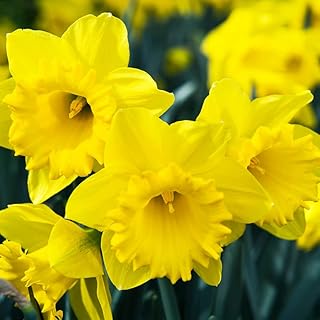
Daffodils (Narcissus) are among the most cheerful harbingers of spring, their vibrant blooms lighting up gardens with unparalleled grace. While these beloved bulbs naturalize and multiply over time, the traditional methods of expansion can be frustratingly slow. Gardeners eager to rapidly increase their daffodil collection, especially for cherished or rare varieties, often find themselves searching for more efficient techniques. If you've ever wondered how do daffodils propagate quickly and effectively, look no further than the sophisticated yet accessible basal plate bulb division method.
Understanding Daffodil Propagation: Why Speed Matters
For centuries, gardeners have relied on two primary, albeit slow, methods for increasing their daffodil stock: propagating from seed and waiting for natural offsets. While these methods are part of nature's design, they present significant limitations for gardeners with specific goals.
Seed Propagation: The Long Game. Daffodils do produce seeds, typically found within small pods that form after the flowers fade. Collecting and planting these seeds is certainly possible, but it's a marathon, not a sprint. A daffodil grown from seed can take anywhere from three to five years, sometimes even longer, to produce its first flower. Furthermore, daffodil seeds often don't "come true" to the parent plant, meaning the resulting flowers may not look identical to the one you collected the seed from due to cross-pollination. For gardeners seeking to replicate a specific, cherished variety or increase their numbers quickly, this method is simply too slow and unpredictable. If you're interested in a deeper dive into the differences, explore Unlock More Daffodils: Dividing Bulbs vs. Slow Seed Propagation.
Natural Offsets: A Gradual Expansion. Over time, mature daffodil bulbs will naturally produce smaller "offsets" or bulblets that form alongside the parent bulb. As these offsets grow, they create denser clumps of daffodils. While this is a reliable method, it's a slow process. A single bulb might produce only one or two viable offsets every few years, and it can take several seasons for these offsets to reach flowering size. This gradual increase is wonderful for established beds, but it won't help you fill a new garden space or quickly multiply a prized, rare daffodil that, like the 80-year-old 'Snow Gem' mentioned by Charles Culpepper, is not readily available elsewhere.
This is where accelerated daffodil propagation methods, particularly the basal plate division, become invaluable. It allows gardeners to take a single, healthy bulb and transform it into several potential new plants, dramatically shortening the propagation timeline compared to seeds or even natural offset production.
The Basal Plate Method: A Fast Track to More Daffodils
The basal plate method is an advanced, yet highly rewarding, technique for propagating daffodils. It leverages the bulb's inherent ability to regenerate from its basal plate – the flat, solid disc at the bottom from which roots and new shoots emerge. By carefully dividing this plate, you can stimulate the formation of multiple new bulblets.
When to Perform Basal Plate Division
Timing is critical for success. The ideal time to perform basal plate division is in late summer to early autumn, after the daffodil foliage has completely yellowed and died back naturally, and the bulbs have entered their dormant phase. This ensures that the parent bulb has stored maximum energy for regeneration and minimizes stress. Avoid dividing bulbs that are actively growing or have just begun to sprout new roots.
Tools You'll Need
- Sharp, Sterilized Knife or Scalpel: A very sharp blade is essential for clean cuts that minimize damage and prevent disease. Sterilize it with rubbing alcohol or a 10% bleach solution before and during the process.
- Clean Cutting Surface: A disinfected cutting board or tray.
- Gloves: To protect your hands and prevent transfer of oils or contaminants to the bulb.
- Disinfectant: For tools and hands.
- Fungicide Powder (Optional but Recommended): To dust cut surfaces and prevent rot.
- Labeling Materials: Essential if propagating multiple varieties.
Step-by-Step Guide to Basal Plate Division
- Select & Prepare Your Bulbs: Choose healthy, firm, mature daffodil bulbs, preferably ones that have consistently bloomed well. Gently dig them up if they are still in the ground, being careful not to damage them. Brush off any excess soil. It's paramount that you allowed the foliage to die back naturally; this process returns vital nutrients to the bulb, ensuring it's robust enough for division.
- Trim & Clean: Snip off any remaining dry foliage or old roots at the base. You may carefully peel back a few of the dry, outer layers (tunics) to reveal the cleaner, more vibrant layers beneath. The goal is to get a clean surface to work with.
- Identify the Basal Plate: Turn the bulb upside down. The basal plate is the solid, flat, disc-like base where the roots would have attached. This is the regenerative heart of the bulb, and every division *must* include a piece of it.
- Make the Initial Cuts: Place the bulb basal plate-side down on your clean cutting surface. Using your sterilized knife, make precise, vertical cuts from the top of the bulb down through the basal plate. The goal is to create multiple segments.
- For beginners, starting with dividing the bulb into quarters (as suggested by experts) is highly recommended. This ensures each segment is substantial enough for successful regeneration.
- With experience, you can potentially make more divisions, but smaller segments have a lower success rate. The key is ensuring each piece has a healthy section of the basal plate and several fleshy scales.
- Examine the Divisions: Once cut, you will have several wedge-shaped pieces. Each piece should clearly show a segment of the basal plate at its base and several of the bulb's fleshy scales (the layers that eventually become leaves). With careful observation, you might even spot a tiny, undeveloped flower bud or embryo in the center of some larger divisions. The health of these scales is why it's so important to allow daffodils to "die back" naturally, as those scales are packed with stored energy.
- Treat and Cure: This step is crucial for preventing rot. Lightly dust all cut surfaces with a fungicide powder. Then, lay the divisions in a single layer in a warm, airy, dry place (out of direct sunlight) for several days to a week. This "curing" period allows the cut surfaces to form a protective callus, much like a scab, which helps prevent fungal infections when planted.
- Labeling: If you are propagating different daffodil varieties, make sure to label each segment clearly to avoid confusion.
Nurturing Your New Daffodil Bulblets
After basal plate division, you don't have full-sized bulbs, but rather bulb segments primed to grow new bulblets. These require careful attention to ensure successful development.
Planting the Divisions
Once your divisions are cured, they are ready for planting. You can plant them in pots or directly into the garden. Choose a location with well-draining soil and plenty of sunlight. Plant the divisions with the basal plate (cut side down) about 2-3 inches deep, ensuring they are firm in the soil. If planting in pots, a good quality potting mix with added perlite or grit for drainage is ideal. Space them a few inches apart to allow for growth.
Post-Planting Care
After planting, water sparingly, just enough to settle the soil. Avoid overwatering, which can lead to rot, especially while the segments are regenerating. Protect them from extreme cold during winter if they are in pots. In spring, as new shoots emerge, you can begin a light fertilization regimen with a balanced bulb fertilizer. These newly forming bulblets will primarily focus on developing foliage in their first year or two.
Patience is Key: While the basal plate method is faster than seed propagation, it still requires patience. It typically takes 2-3 years for these new bulblets to grow into flowering-sized bulbs. During this period, focus on providing optimal growing conditions to encourage strong bulb development.
Maximizing Success and Expanding Your Daffodil Collection
The basal plate division method is a powerful tool for any gardener passionate about expanding their daffodil display or preserving unique varieties. By meticulously following the steps and understanding the underlying principles, you can significantly accelerate your daffodil propagation efforts.
To ensure the highest success rate, keep these best practices in mind:
- Maintain Sharp, Clean Tools: This is paramount for preventing disease and making clean cuts.
- Choose Healthy Parent Bulbs: Strong, disease-free bulbs will yield the best results.
- Adhere to Proper Curing: Don't skip the fungicide and drying steps; they are critical for preventing rot.
- Be Patient: New bulblets need time to mature into flowering-sized bulbs.
- Always Allow Foliage to Die Back Naturally: This is perhaps the most crucial care tip for any bulb. The green leaves photosynthesize and return energy to the bulb, ensuring it's robust and full of stored nutrients, ready for dormancy and subsequent division.
- Fertilize Post-Bloom: Supporting the parent bulb with a balanced fertilizer after blooming helps it build up energy reserves for the next season and for potential division. For more insights on this, read our Increase Daffodil Blooms: Essential Guide to Dividing Bulbs.
Mastering the basal plate method not only empowers you to multiply your favorite daffodils but also deepens your understanding of bulb horticulture. It's a testament to the ingenuity of gardeners and the incredible resilience of these plants, offering a rewarding path to a more abundant spring display.